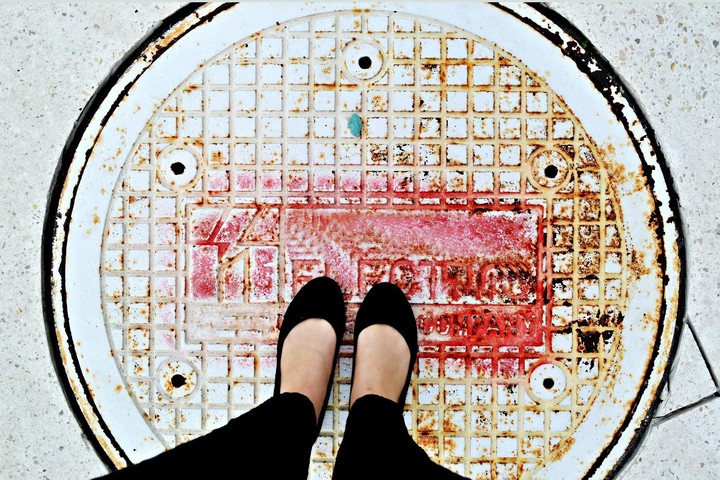
You’ve probably seen manholes near public streets; they come in different shapes and sizes, with different markings on their covers. But did you know that manholes can be very dangerous places?
Manholes—sometimes called utility vaults or maintenance holes—are access points for public utility services such as water, sewer, telephone, electricity, and gas. In most cases, inspecting and maintaining underground electrical cables require utility crews to enter manholes.
Entering manholes can pose serious risks that must be assessed by the utility crew before entering. For example, a crew must test the atmosphere in the manhole to ensure there is an adequate amount of oxygen.1 The crew must also test for any flammable gases or vapors and ventilate the space according to applicable procedures.2 Not only are these gases respiratory hazards, but they can also pose serious threats in the event of an electrical spark.
Anyone who enters a manhole should first consult with specific company procedures and protocols for doing so, US Occupational Safety and Health Administration (OSHA) rules and regulations, and any other federal, state, or local guidelines. Duquesne Light Company (DLC) is working to improve the safety of underground cable inspections by crowdsourcing new ideas and technologies with the Monitoring Electrical Cable Challenge. Visit the challenge to learn more.
References:
1 29 CFR § 1910.269(e)(9)
2 29 CFR § 1910.269(e)(10) & (11)