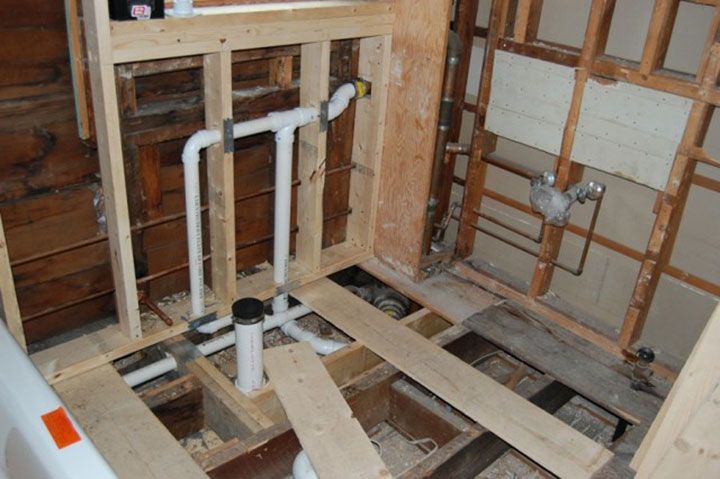
Any experienced software developer recognizes that sinking feeling when you realize you’re going to need to tear apart your software and rebuild it from the ground up.
Either you’ve been patching and hacking together software for so long that it’s creaking under the maintenance load.
Or you overbuilt it in the first place, and now that you’ve hacked away all the unnecessary functionality, you can optimize it better.
As our CEO, Christian Cotichini, likes to say, “all great software gets built twice”.
And in my experience, this is totally true.
When we first created HeroX, we were trying to be a more streamlined version of the X Prize Foundation – an X Prize-lite.
That meant rethinking the best practices that the X Prize uses to craft an incentive challenge like the original Ansari X Prize or the Google Lunar X Prize. These are huge prizes worth tens of millions of dollars, and the challenge design time took months or even years.
So to be able shorten the process and make it faster for the crowd was revolutionary.
That was HeroX 1.0.
And yet, as you interact with the crowd, you realize they don’t conform to your expectations for how things are “supposed” to be done. I’m sure the folks at Wikipedia came to that conclusion too. The crowd is amazing at creating high quality if you give them the tools and freedom.
And so, with our modern philosophy for HeroX:
- Anyone can create a challenge,
- Anyone can fund a challenge,
- And anyone can compete in a challenge.
Instead of trying to match an existing model, we’re trusting in the crowd to use our platform to make their own incentive challenges. We’re giving them the tools they’ll need, but we’re also giving them the freedom to do things however they want.
This means rebuilding our software. It means hacking away functionality that we thought we needed, and it turns out wasn’t necessary. It means streamlining and tuning the interface to better match our current understanding about the needs of the users.
It means building our software a second time.
You might think that sounds frustrating, but it’s actually very exciting. Programmers always want to rebuild software, and it takes discipline to resist the urge until you’re absolutely certain the time is right.
We’re not quite there. We’re still tuning, tweaking and extending the underlying framework of HeroX.
But I can feel the time coming. The time when we’ll need to rebuild the software – because we know exactly what people need.
I can’t wait.