
With the launch of the Exploring Hell: Avoiding Obstacles on a Clockwork Rover challenge last week, we reflect on some of our past blog posts about our favorite NASA crowdsourcing competitions, both on and off the HeroX platform.
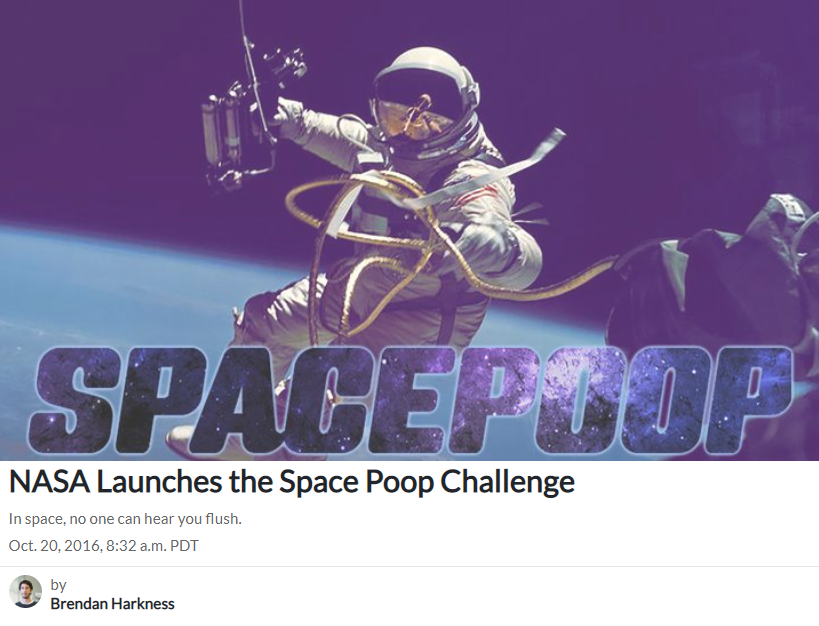
- Space Poop (2016) - the name speaks for itself! Thousands of people signed up to submit their idea on how to handle astronaut waste in space. Even the Daily Show featured a parody on the topic.
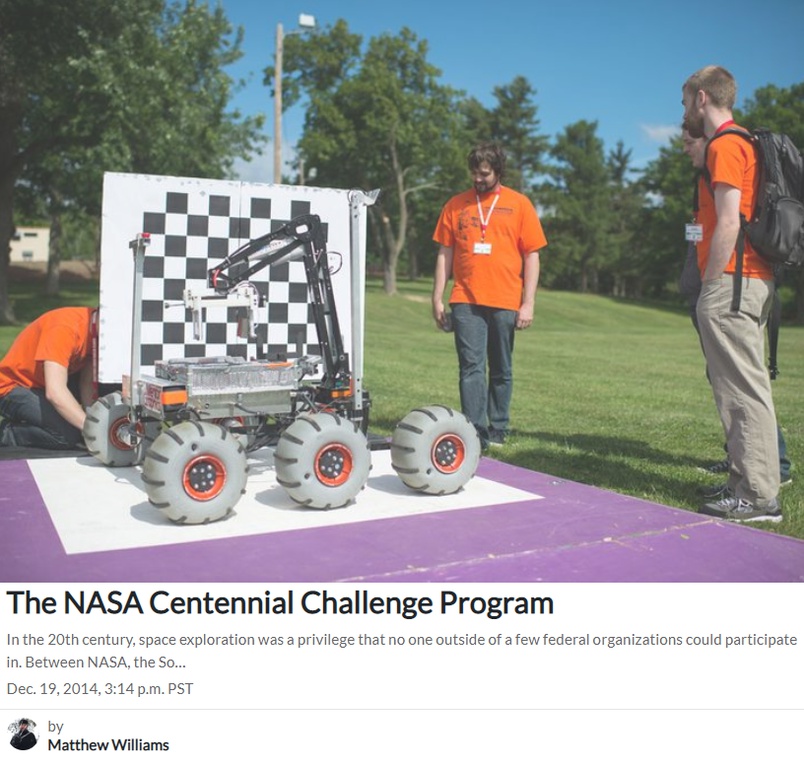
2. The Centennial Challenge program (2005) - these challenges set out to generate innovative ideas around a variety of technical problems related to NASA, and to create new business ventures. The program was named "Centennial" to commemorate that it had been 100 years since the Wright brothers' had achieved their first flight.
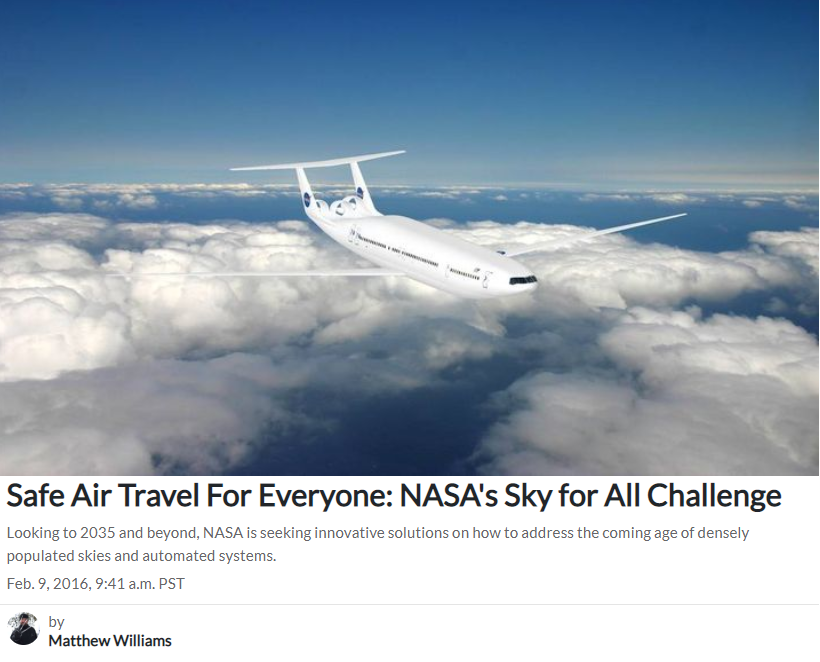
3. Sky for All Challenge (2015) - with the growing popularity of personal drones and other advancements in aircraft, this challenge was looking for a new system that would be able to accommodate a variety of aircraft safely and efficiently.
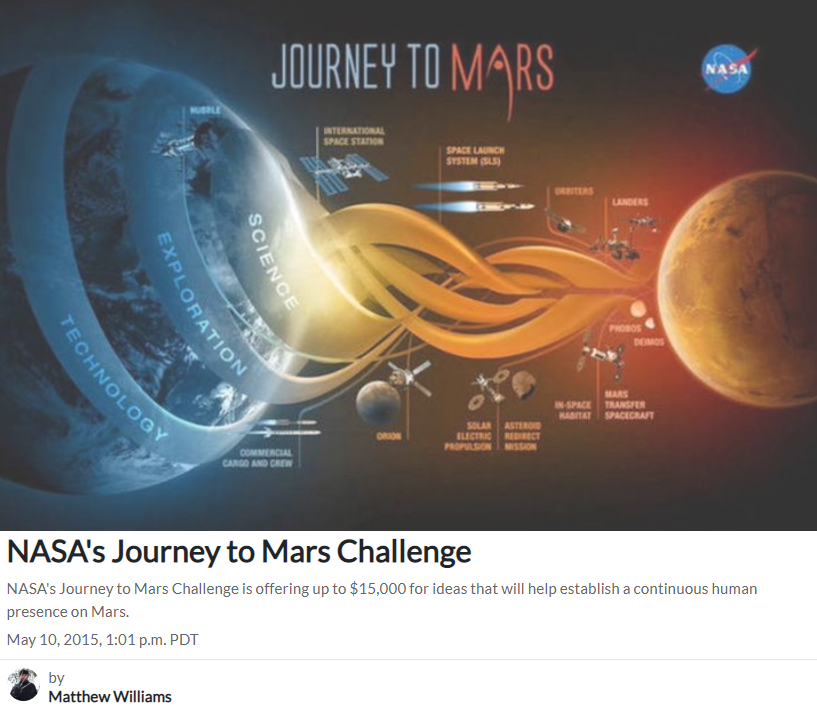
4. Journey to Mars Challenge (2015) - similar to the Exploring Hell Challenge in that the focus was not on Earth, this challenge was looking for ideas on how to colonize and keep astronauts safe on Mars.
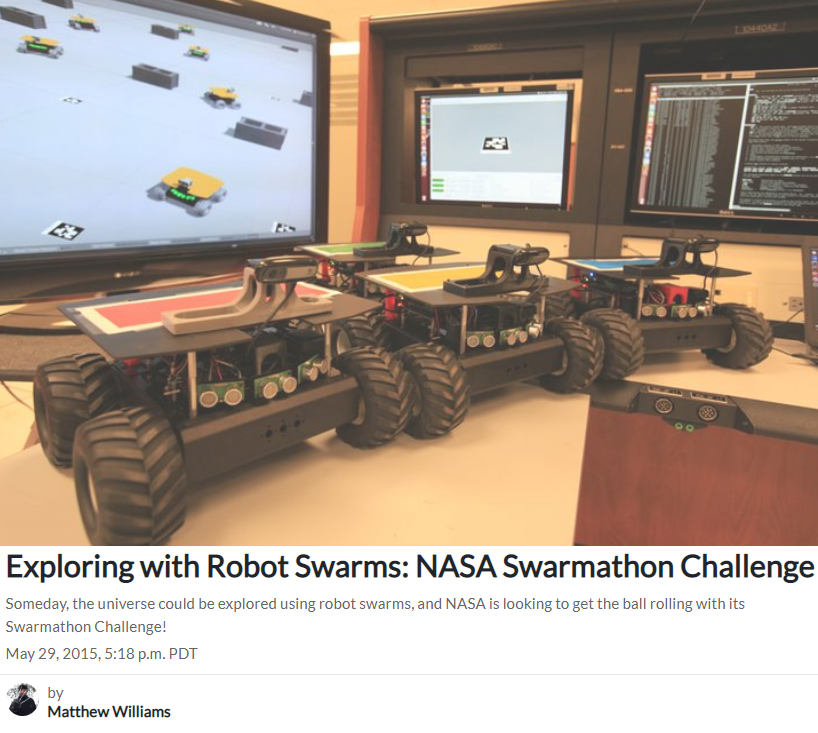
5. Swarmathon Challenge (2015) - instead of sending people out to explore distant plants, why not put together a fleet of robots to do the work instead? The goal of this $1.8 million crowdsourcing initiative was to create a 'swarm' of robots that could work together to report on those planets and their moons that we still need more information about.